
Learning how to knit a beanie that fits is one of the best skills you can build when you are working through free hat knitting patterns and want the finished hat to actually feel good on the head. A beanie can be beautiful, but if it is too tight, too loose, too short, too tall, or stretched out after one wear, it quickly becomes frustrating.
A well-fitting knit beanie starts before you ever cast on. Head circumference, negative ease, ribbing, hat depth, yarn stretch, and crown shaping all play a part in how the finished hat sits. This post will walk through how to knit a beanie that fits better so you can choose the right size, understand what affects fit, and make small adjustments before your hat is finished.
Beanies are one of those knitting projects that seem simple, but the fit details really matter. A small difference in gauge, yarn choice, or length can change how the hat feels when it is worn.
The good news is that once you understand a few basic hat-sizing pieces, beanies become much easier to adjust. You do not have to guess your way through every project.
A good beanie should feel secure without squeezing, cover the ears if that is the style you want, and keep its shape after being worn. When you know what to look for, you can catch most fit problems before you bind off.
What Measurements Do You Need to Knit a Beanie That Fits?
The most important measurement for knitting a beanie that fits is head circumference. This is the measurement around the widest part of the head, usually across the forehead and around the back of the head where the hat will sit.
Once you know the head circumference, you can compare it to the finished size of the hat pattern. Most knit hats are designed with negative ease, which means the finished hat is smaller than the actual head measurement so it stretches slightly when worn.
For many fitted beanies, about 1-2 inches of negative ease works well, depending on the yarn, stitch pattern, and personal preference. Ribbing and stretchy stitch patterns can usually handle more negative ease, while less stretchy textures may need a little more room.
If you are knitting for someone else, it is always helpful to measure their head if you can. If not, using a basic hat size chart can help, but actual measurements are better when possible.
Hat depth is the next measurement to think about. This is the length from the bottom edge of the hat to the top of the crown.
A fitted beanie usually needs to be long enough to cover the head comfortably without extra fabric bunching at the top. A slouchier hat will need more depth, while a close-fitting beanie will need less.
Before starting the crown decreases, check the length of the hat body. If the pattern gives a measurement before decreasing, follow that carefully because the crown adds extra height.
How Does Ribbing Help a Knit Beanie Fit Better?
Ribbing is one of the easiest ways to help a knit beanie fit well. It gives the brim stretch, helps the hat stay in place, and makes the edge more comfortable around the forehead.
Common hat ribbings include 1×1 ribbing, 2×2 ribbing, and folded ribbed brims. A folded brim usually gives extra warmth and structure, while a single ribbed brim keeps the hat a little lighter and simpler.
Ribbing also helps if the hat will be worn by different people or if you are knitting for a child who may grow. It gives the beanie a little flexibility without making the whole hat loose.
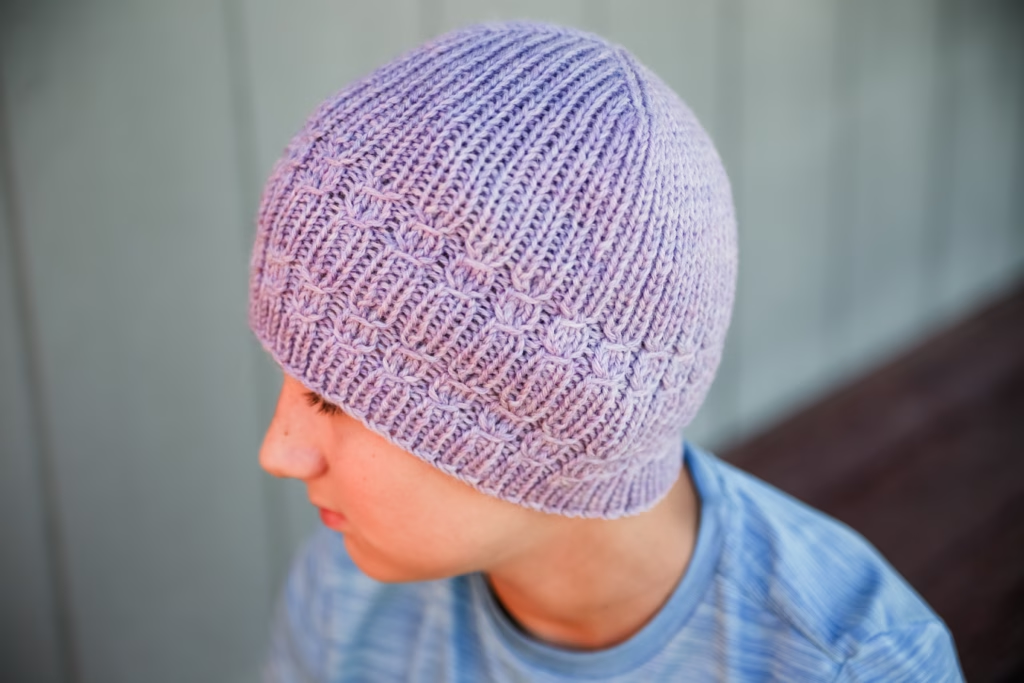
The Hezekiah Beanie is a good example of how ribbing can work with texture. It starts with 1×1 ribbing, moves into a faux cable section, and then uses more ribbing before the crown shaping, which helps the hat feel structured and wearable.
Yarn choice also affects how much ribbing can help. Wool and wool blends like KnitPicks Wool of the Andes or Berroco Vintage usually have nice bounce, which helps the brim recover after stretching.
Cotton, bamboo, and some plant-based yarns may not spring back as much, so they can make a hat feel looser over time. If you are using a yarn with less bounce, checking gauge and finished measurements becomes even more important.
If you want a snug beanie, pay close attention to both the brim and the main body of the hat. A stretchy brim is helpful, but the rest of the hat still needs to be the right size.
How Do You Check Beanie Depth Before Shaping the Crown?
To check beanie depth, measure from the cast-on edge to the point where the crown shaping begins. This measurement matters because the crown decreases will add height to the finished hat.
If you start decreasing too early, the hat may feel too shallow and ride up. If you start too late, the beanie may have extra fabric at the top or turn into more of a slouchy hat.
A helpful way to think about it is that the body of the hat gives you coverage, and the crown gives you the top shaping. Both pieces work together to create the finished fit.
If you are adjusting a beanie pattern, measure the hat while it is laid flat and unstretched. It can also help to compare it to a hat you already like wearing.

Crown shaping can change the final look and fit of a hat. Some crowns decrease quickly and create a shorter, gathered top, while others decrease more gradually and add more length.
This is why two hats with the same body length can still fit differently. The number of decrease rounds, plain rounds between decreases, and stitch pattern all affect the finished depth.
If your beanies often feel too short, add a little length before beginning the crown decreases. If they feel too tall, work fewer body rounds before shaping, as long as it does not interrupt the stitch pattern in an awkward spot.
What Free Hat Knitting Patterns Can Help You Practice Beanie Fit?
If you want to practice how to knit a beanie that fits, choosing a few different free hat knitting patterns can help you see how ribbing, texture, yarn weight, and crown shaping work in real projects.
Here are a few beanie patterns to try:
• Hezekiah Beanie
• Lydia Beanie
• Sorek Beanie
• Michael Beanie
• Judah Beanie
The Hezekiah Beanie is a great choice if you want a textured hat with faux cable detail and practical ribbing. It is especially helpful when you want something that looks more detailed than a plain hat but still has a comfortable, wearable shape.
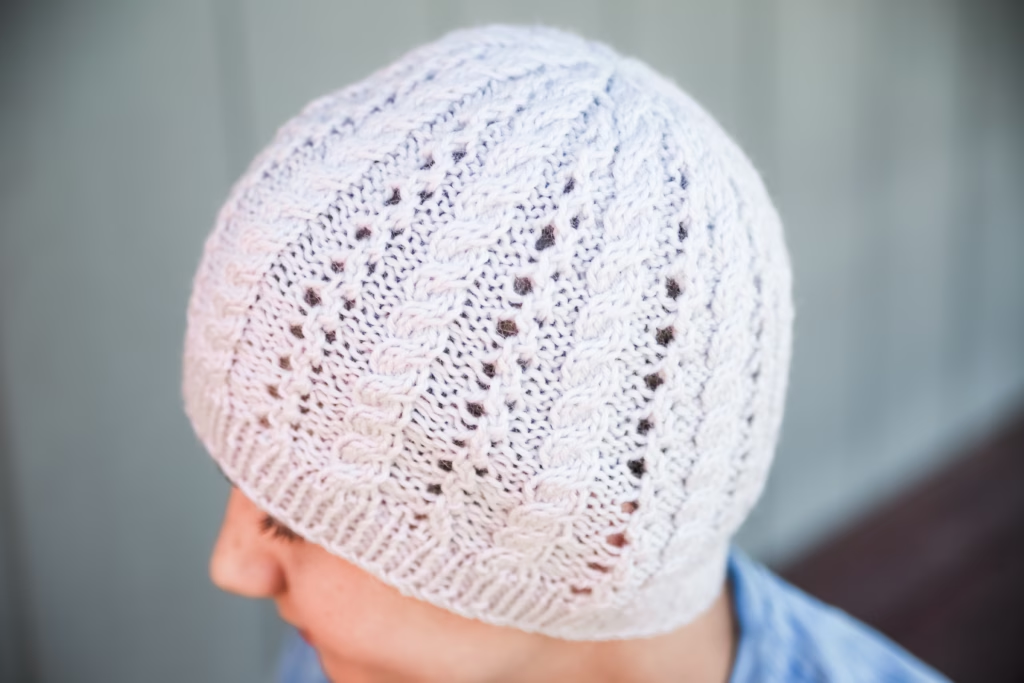
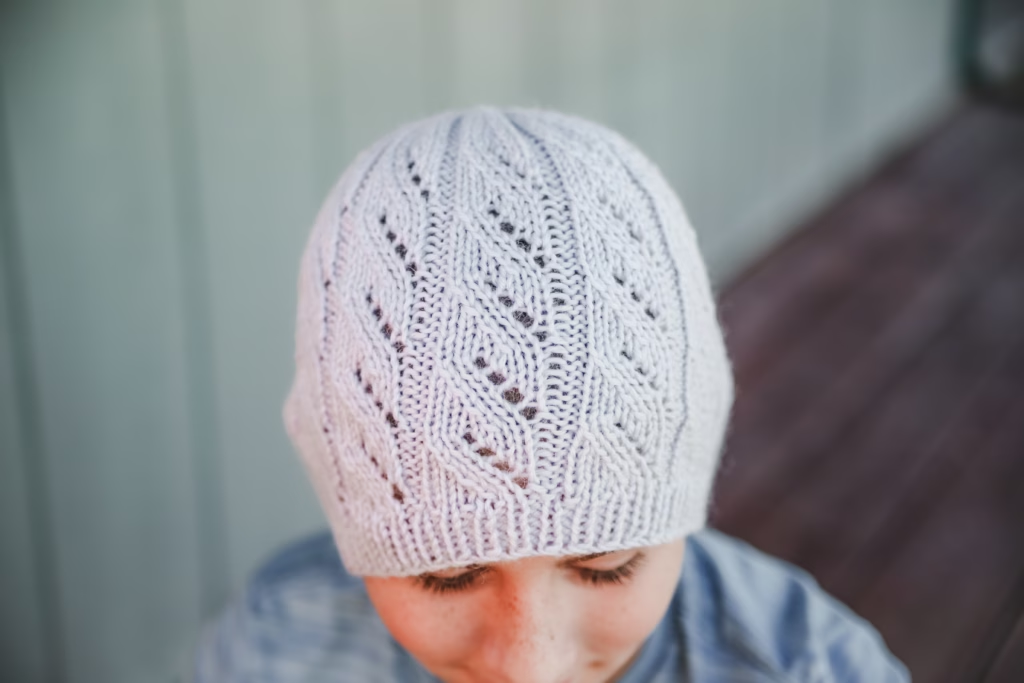
The Lydia Beanie is another good option if you enjoy stitch detail in a worsted weight hat. The Sorek Beanie adds cable and lace texture, while the Michael Beanie and Judah Beanie give you more ways to see how different stitch patterns affect the feel of a finished hat.

Trying several hat styles is a helpful way to learn what you like in a beanie. You may find that you prefer more negative ease, a deeper fit, a shorter crown, or a stretchier brim.
The more hats you knit, the easier it becomes to spot fit details before they become problems. You start to notice how yarn behaves, how much length you like before crown shaping, and which brim styles feel best.
A beanie that fits well is not just about following the pattern exactly. It is about understanding the measurements and making small choices that help the finished hat work for the person who will wear it.
Before starting your next hat, check the head circumference, look at the finished measurements, think about negative ease, and pay attention to the yarn. Those little steps can make your finished beanie feel so much better.
What part of hat fit gives you the most trouble: sizing, depth, brim stretch, or crown shaping? Tell me in the comments so I can help you troubleshoot your next beanie project.
This post may contain affiliate links. If you make a purchase through one of my links, I may earn a small commission at no extra cost to you.
The post How to Knit a Beanie That Fits: Simple Hat Sizing Tips for Better Knitting Projects appeared first on The Knit in the Womb Blog.


