
Finding the best yarn for knitted bonnets is about more than choosing the prettiest color on the shelf. A baby bonnet sits right against delicate skin, so I want a yarn that feels soft, holds its shape, shows off the stitch pattern, and—ideally—doesn’t turn laundry day into a whole production.
For most of my lighter baby bonnet patterns, fingering and sport weight yarns hit that sweet spot. They create a bonnet that feels cozy without being bulky, and they let lace, texture, ribbing, and little details really shine. Below, I’m sharing some of my favorite yarn options for baby bonnets, from extra-soft luxury blends to practical everyday yarns.
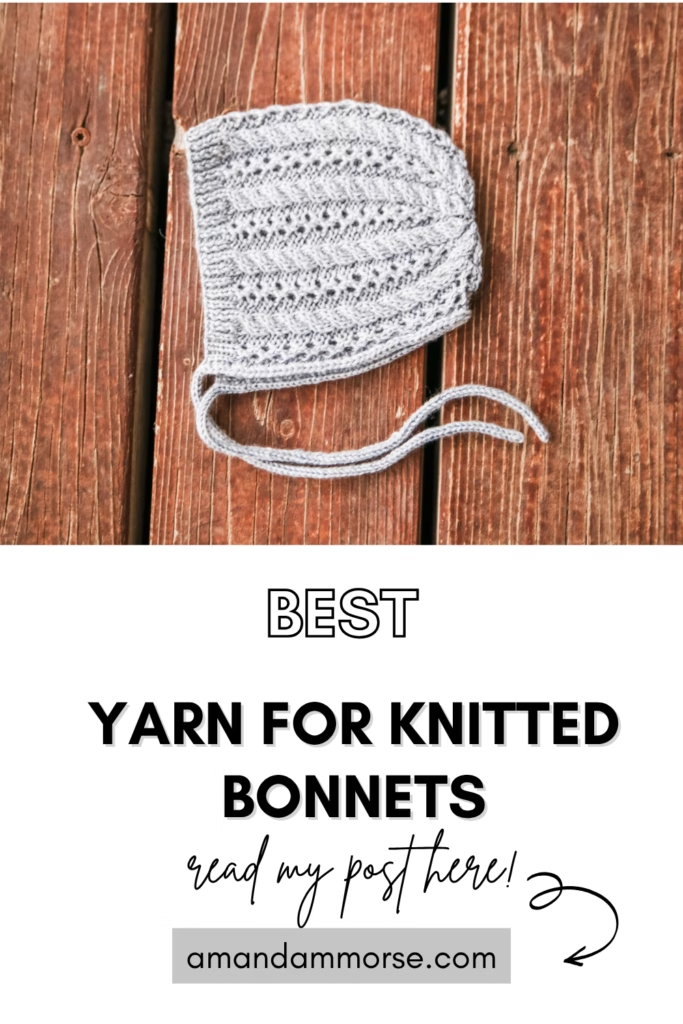
The best baby bonnet yarn really depends on what you’re knitting. A delicate lace bonnet needs something different from a deeply textured bonnet, and a keepsake gift might call for a slightly more luxurious yarn than an everyday bonnet that will be worn over and over.
The good news? There are plenty of lovely options.
What Is the Best Luxury Yarn for a Knitted Bonnet?
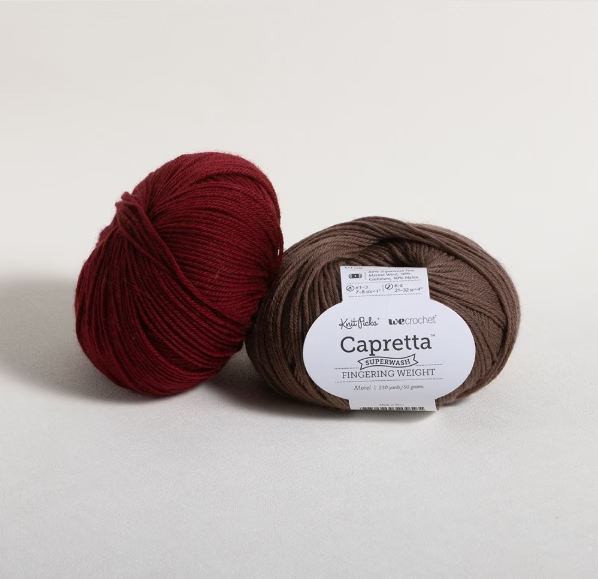
Knit Picks Capretta Superwash
If softness is your number-one priority, Knit Picks Capretta Superwash is very hard to beat.
Capretta is a fingering-weight blend of 80% fine superwash Merino wool, 10% cashmere, and 10% nylon. That little bit of cashmere gives it the soft, slightly fuzzy finish I love for baby knits, while the nylon adds some extra strength. Knit Picks also lists it as machine washable, which makes the luxurious fiber blend a little more practical.
This is an especially good yarn when your bonnet has lace, leaves, gathers, or another delicate stitch pattern. It feels special without creating a thick or heavy fabric.
In fact, Capretta is the yarn used for my Simone Bonnet and Sorek Bonnet, where the lightweight yarn helps the lace diamonds and picot edging stand out beautifully.
The Pros:
- Incredibly soft against the skin
- Cashmere gives the finished bonnet a special, keepsake feel
- Fingering weight works beautifully for lightweight bonnet patterns
- Nylon adds strength
- Machine-washable care is convenient for baby knits
The Cons:
- More of a splurge than basic acrylic baby yarn
- The slight halo may soften very tiny stitch details
- Fingering weight takes a little longer to knit than heavier yarn
- Wool may not be the right choice for every baby
Find Knit Picks Capretta Superwash here.
What Is the Best Everyday Sport Weight Yarn for Baby Bonnets?
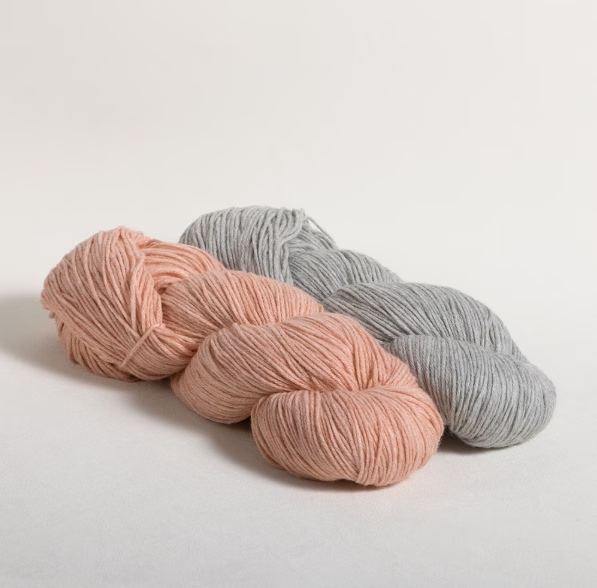
Knit Picks Heatherly Sport
For a yarn that balances softness, durability, pretty colors, and practicality, Knit Picks Heatherly Sport is one of my go-to choices.
Heatherly Sport is an 80% acrylic and 20% Merino wool blend designed to combine sturdiness with next-to-skin softness. Knit Picks specifically recommends the sport-weight version for light accessories, baby blankets, children’s clothes, toys, and similar projects.
What I really love about Heatherly for bonnets is the stitch definition. Sport weight gives texture enough body to stand out without making a tiny bonnet feel bulky.
I used Heatherly for the Granite Bonnet, and that yarn works especially well with the bonnet’s allover K1B texture. It is also a lovely choice for lace; I used Heatherly for the Ocean Bonnet as well.
The Pros:
- Soft enough for next-to-skin projects
- Sport weight gives textured stitches great definition
- Acrylic/Merino blend adds durability
- Lots of pretty heathered shades
- A versatile choice for both lace and textured bonnets
The Cons:
- Not as luxurious as a cashmere blend
- Contains wool, so it may not suit every baby
- Heathered colors can give a slightly more casual look than solid colors
- Always check your bonnet pattern gauge before substituting it for fingering weight
Find Knit Picks Heatherly Sport here.
What Is the Best Merino Yarn for a Baby Bonnet?
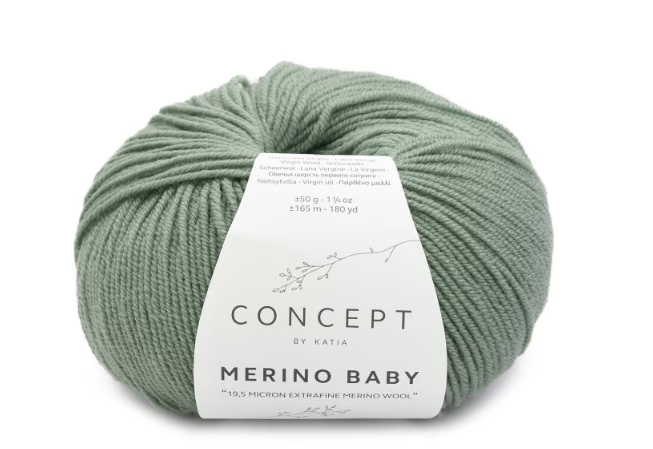
Katia Merino Baby
If you love an all-wool bonnet but still want something designed with babies and sensitive skin in mind, Katia Merino Baby is a beautiful option.
Katia Merino Baby is made from 100% extrafine Merino wool and is specifically recommended by Katia for sensitive skin and baby garments. It also has Katia’s Total Easy Care treatment, allowing it to be machine washed on a wool cycle and tumble dried according to the brand’s care instructions.
This would be such a pretty choice for a classic bonnet where you want the warmth and bounce of wool without using a chunky yarn.
Merino is also wonderful when you want your stitches to look defined but still soft. Think little lace repeats, textured panels, ribbed edges, and beautifully shaped crowns.
The Pros:
- 100% extrafine Merino wool
- Designed with sensitive skin and baby garments in mind
- Warm without needing a bulky yarn
- Lovely natural bounce for textured stitches
- Easy-care treatment makes wool more practical for baby projects
The Cons:
- Wool is warmer than cotton-heavy options
- May not work for babies who are sensitive to wool
- Requires following the manufacturer’s wool-care instructions
- A wool bonnet may be more suited to cooler weather than very warm days
Find Katia Merino Baby here.
What Is the Best Cotton-Blend Yarn for a Lightweight Bonnet?
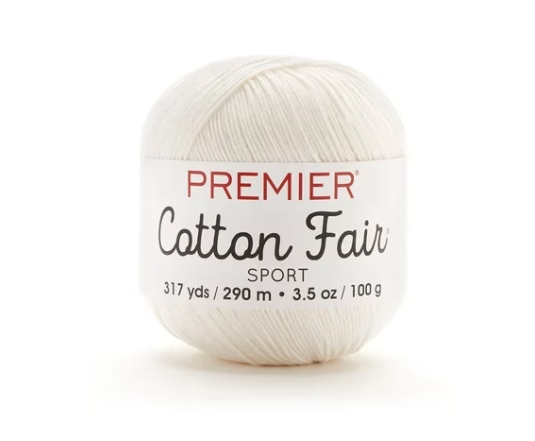
Premier Cotton Fair Sport
Knitting for a spring baby, summer baby, or warmer climate? Premier Cotton Fair Sport is the yarn I would look at when you want less wool and a smoother, cooler feel.
Cotton Fair Sport combines 52% cotton with 48% acrylic. Premier describes the yarn as smooth and year-round, with a tight twist that gives projects excellent stitch definition and helps them hold their shape. The brand also notes that the yarn has passed a standard suitable for direct contact with sensitive skin, including babies and small children.
That tight twist is a big bonus for bonnet knitting. Lace holes, decreases, picot edging, and other tiny details don’t disappear into a fluffy halo.
If your bonnet has a lot going on in the stitch pattern, this is definitely one worth swatching.
The Pros:
- Cotton/acrylic blend works well for warmer-weather knits
- Smooth yarn creates crisp stitch definition
- Designed to hold its shape
- Suitable for baby garments and accessories
- Great option if you don’t want an all-wool bonnet
The Cons:
- Less wooly bounce than Merino yarn
- Cotton blends can feel different from wool when knitting decreases and shaping
- May create a slightly different drape than the pattern’s original yarn
- You’ll want to swatch carefully when substituting it into a wool-based pattern
Find Premier Cotton Fair Sport here.
What Is the Best Fingering Weight Wool for a Colorful Bonnet?
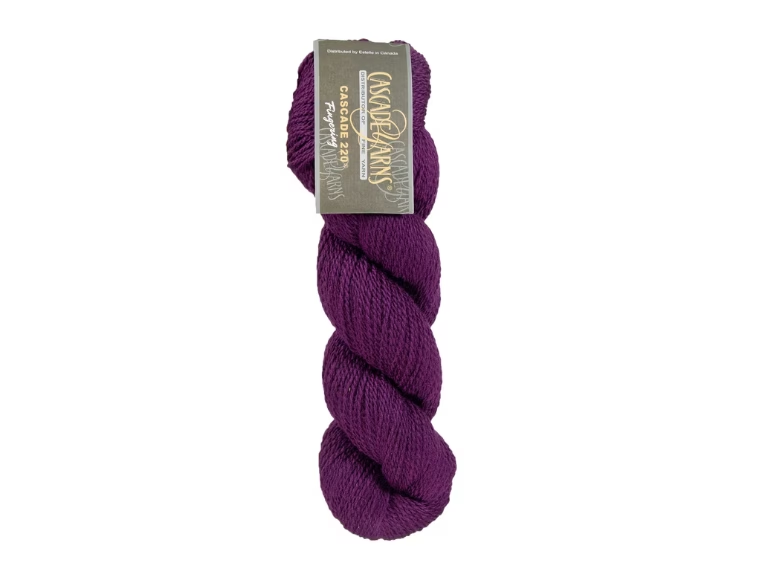
Cascade 220 Superwash Fingering from Jimmy Beans Wool
If choosing the color is half the fun for you, Cascade 220 Superwash Fingering from Jimmy Beans Wool is another yarn worth considering.
Jimmy Beans Wool carries Cascade 220 Superwash Fingering as a lightweight option and highlights its wide color range. The yarn is designed for delicate knits, colorwork, hats, accessories, and other fingering-weight projects.
For a bonnet, I especially like this type of yarn when you want the stitches themselves to be the star. Fingering weight creates a fine, polished fabric, and the broad color selection means you can go traditional, earthy, bright, or completely unexpected.
It would also be a fun option if you’re knitting several bonnets and want each one in a different shade.
The Pros:
- Lightweight fingering yarn
- Huge potential for color choices
- Great for detailed stitches and small accessories
- Superwash construction adds practicality
- Nice choice for colorwork or contrast details
The Cons:
- Fingering weight takes longer to knit
- A smooth wool won’t have the cashmere halo of Capretta
- Always compare gauge and yardage before substituting
- Wool isn’t ideal for every baby or climate
Find Cascade 220 Superwash Fingering at Jimmy Beans Wool here.
What Is a Good Budget-Friendly Baby Bonnet Yarn?
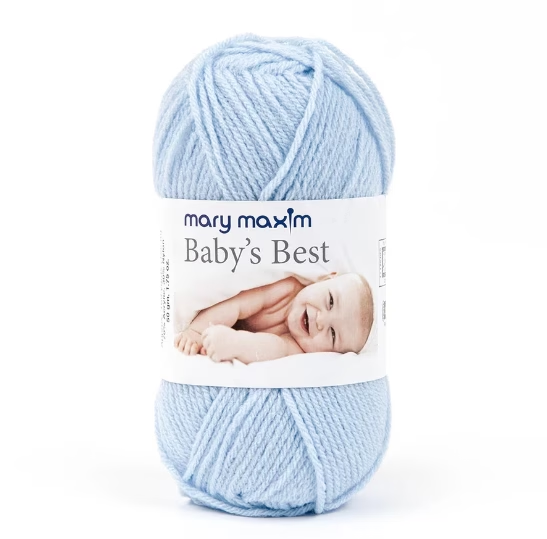
Mary Maxim Baby’s Best Yarn
If you’re planning to knit more than one baby bonnet—or you simply want to save the luxury yarn for a special project—Mary Maxim Baby’s Best Yarn is another option to check.
Mary Maxim currently lists Baby’s Best among its yarn offerings, and the company’s sport-weight collection describes fine sport yarn as a particularly useful weight for baby garments and hats because it balances softness, durability, and lightweight stitch definition.
A budget-friendly baby yarn can make a lot of sense for everyday bonnets, gifts, or those times when you become completely obsessed with a pattern and suddenly need one in six colors. It happens.
As always, compare the yarn label and your pattern gauge before casting on, especially with sport-weight yarns, because small differences can matter quite a bit in a fitted baby bonnet.
The Pros:
- Budget-conscious choice
- Baby-focused yarn line
- Great option when knitting multiples
- Fine/sport yarns create lightweight baby garments
- Easy way to experiment with different bonnet colors
The Cons:
- Doesn’t have the luxury feel of Capretta
- You’ll want to verify the current label, fiber details, and gauge before substituting
- A different fiber blend can change the finished drape
- Swatching is especially important for a fitted bonnet
Find Mary Maxim Baby’s Best Yarn here.
So, Which Yarn Is Best for Knitted Bonnets?
There really isn’t one single yarn that wins for every bonnet—and that’s actually good news.
For an extra-special fingering-weight bonnet, Knit Picks Capretta is my pick for softness and luxury. If you want a dependable sport-weight yarn that makes texture pop, Knit Picks Heatherly Sport is incredibly versatile. Katia Merino Baby is lovely when you want soft extrafine wool, while Premier Cotton Fair Sport gives you a smoother cotton-blend option for lighter knits.
The biggest thing is matching the yarn to the bonnet. Look at softness, stitch definition, durability, care, fiber content, and gauge before you choose. A gorgeous yarn isn’t very helpful if it hides the exact lace or texture that made you fall in love with the pattern in the first place.
And please—make a gauge swatch when substituting yarn. Bonnets are small, fitted projects, so even a little gauge difference can make a surprisingly big difference in the final size.
Which Bonnet Patterns Can You Knit With These Yarns?
Once you’ve picked your yarn, the fun part is deciding what to cast on!
Which yarn would you pick first? Or have you found a baby bonnet yarn that you absolutely love knitting with? Tell me in the comments—I am always looking for an excuse to add another yarn to my list!
This post contains affiliate links. If you make a purchase through one of these links, I may earn a small commission at no additional cost to you. Thank you for supporting my free knitting patterns and tutorials!
The post Best Yarn for Knitted Bonnets: Soft, Pretty Yarns for Baby Bonnet Knitting appeared first on The Knit in the Womb Blog.


